Standardizing Quality Inspection Logs for Multi-Stage Production
Unlocking Efficiency: The Power of Standardized Quality Logs 🚀
Background: The Challenge of Variability
In the complex landscape of multi-stage production, ensuring consistent quality across every step is a monumental task. Each phase introduces unique challenges and opportunities for variability. Rigorous quality inspections are essential, yet their true value is unlocked only when findings are documented effectively. The sheer volume and diversity of data generated often overwhelm traditional logging methods.
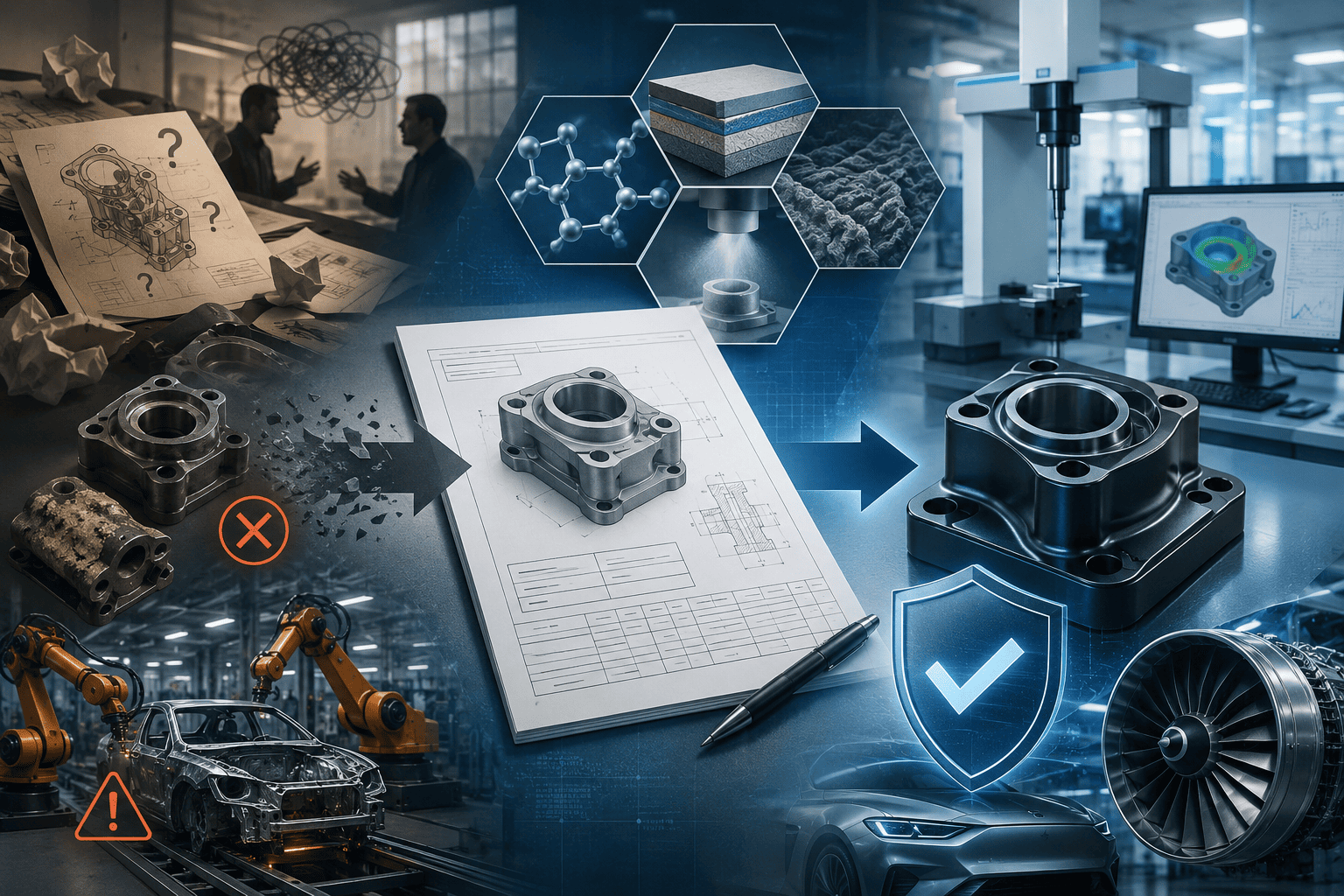
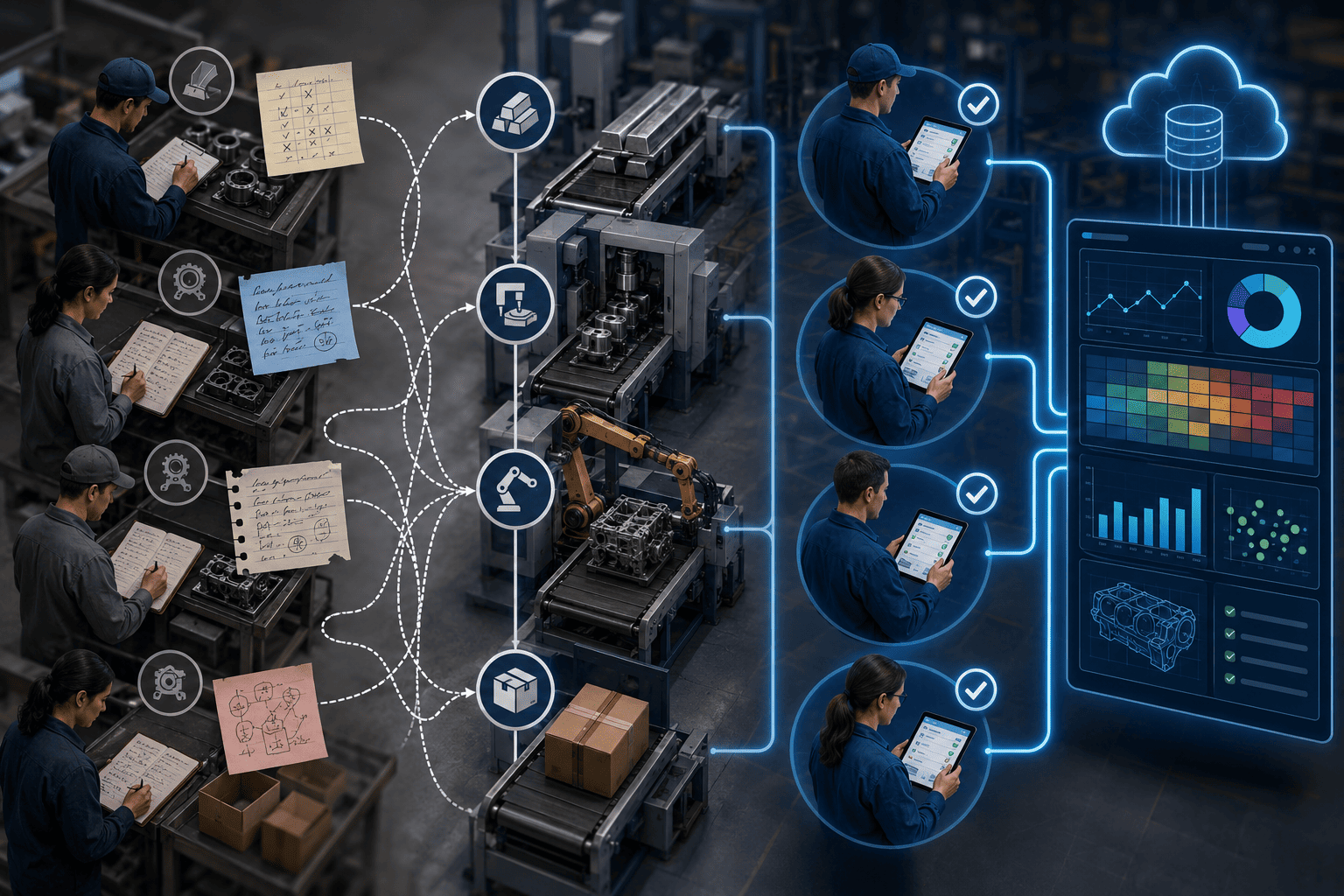
Historically, quality inspection logs have suffered from a lack of standardization. Different departments, shifts, or even individual inspectors often employ their own unique methods for recording observations, measurements, and deviations. This fragmented approach results in a mosaic of inconsistent data formats, terminology, and levels of detail across the production floor.
The absence of a unified logging system creates significant hurdles. Imagine trying to identify a recurring defect pattern when data from stage A uses one set of codes, while stage B uses free-text descriptions. This inconsistency not only slows down critical decision-making but also increases the risk of human error during data transcription and analysis.
This challenge is further compounded by the increasing complexity of products and supply chains. Modern production environments demand real-time insights and predictive capabilities, which are impossible to achieve with disparate, unstructured data. Therefore, standardizing quality inspection logs is crucial for data-driven quality management and operational excellence.
Key Insights from Research
- Inconsistent data formats and varied reporting methods significantly impede the swift identification of defect trends and their underlying causes, directly impacting problem-solving speed.
- Reliance on manual data entry for quality logs is a primary contributor to data integrity issues, including transcription errors and missing information, undermining data reliability.
- A lack of standardized terminology and measurement units across different production stages creates ambiguity, hindering effective cross-departmental communication and collaboration.
Analysis: Bridging the Data Gap

Non-standardized logs create a severe bottleneck in data analysis. Quality engineers waste time cleaning and normalizing disparate data instead of interpreting it. This delay can mean the difference between catching an issue early and allowing it to escalate, leading to significant rework and customer dissatisfaction. It impacts profitability.
Manual data entry is a notorious source of errors. Fatigue, distractions, or minor misinterpretations lead to incorrect values or subjective descriptions. This human element introduces unreliability into quality data, hindering accurate historical records and advanced analytics for predictive maintenance.
The absence of a common language for quality observations hinders cross-functional collaboration. When "defect type A" means something different across departments, communication breakdowns are inevitable. This ambiguity slows problem resolution and prevents a holistic understanding of quality issues across the production chain.
To overcome these, companies must embrace a robust framework for standardizing quality inspection logs. This involves universal templates, digital data capture, and clear guidelines. Solutions like FormReady Notes offer intuitive platforms that guide inspectors, ensuring consistency in data format and terminology across all production stages.
Implementing such a system faces hurdles: resistance to change, initial investment, and comprehensive training. Companies must foster a culture valuing data integrity and efficiency, demonstrating long-term benefits. Pilot programs and phased rollouts can help ease the transition and build user confidence, ultimately enhancing data quality with solutions like FormReady Notes.
Transformative Outcomes
- Streamlined data analysis, enabling faster identification of trends and proactive problem-solving, which significantly reduces defect rates and improves overall product quality.
- Enhanced data integrity and reliability, leading to more accurate compliance reporting, easier audit readiness, and stronger adherence to industry regulations.
- Improved operational efficiency and reduced waste through consistent defect tracking, better resource allocation, and optimized production processes across all stages.
Comments 4

Gregory Warren
This article provides a very clear and practical guide. The emphasis on PDF and secure channels is particularly relevant in our current operational landscape.

Sage Barnes
Thank you for your feedback! We're glad you found the insights on secure channels valuable. Ensuring data integrity is a top priority for FormReady Notes.

Lucy Payne
While the points are valid, I wonder about the scalability for very large organizations with diverse reporting needs. Are there specific platforms FormReady Notes recommends?

Zachary Coleman
That's an excellent point regarding scalability. For diverse needs, we generally recommend enterprise content management systems or dedicated reporting tools that offer custom integrations and granular access controls. We can discuss specific solutions tailored to your organization's scale.