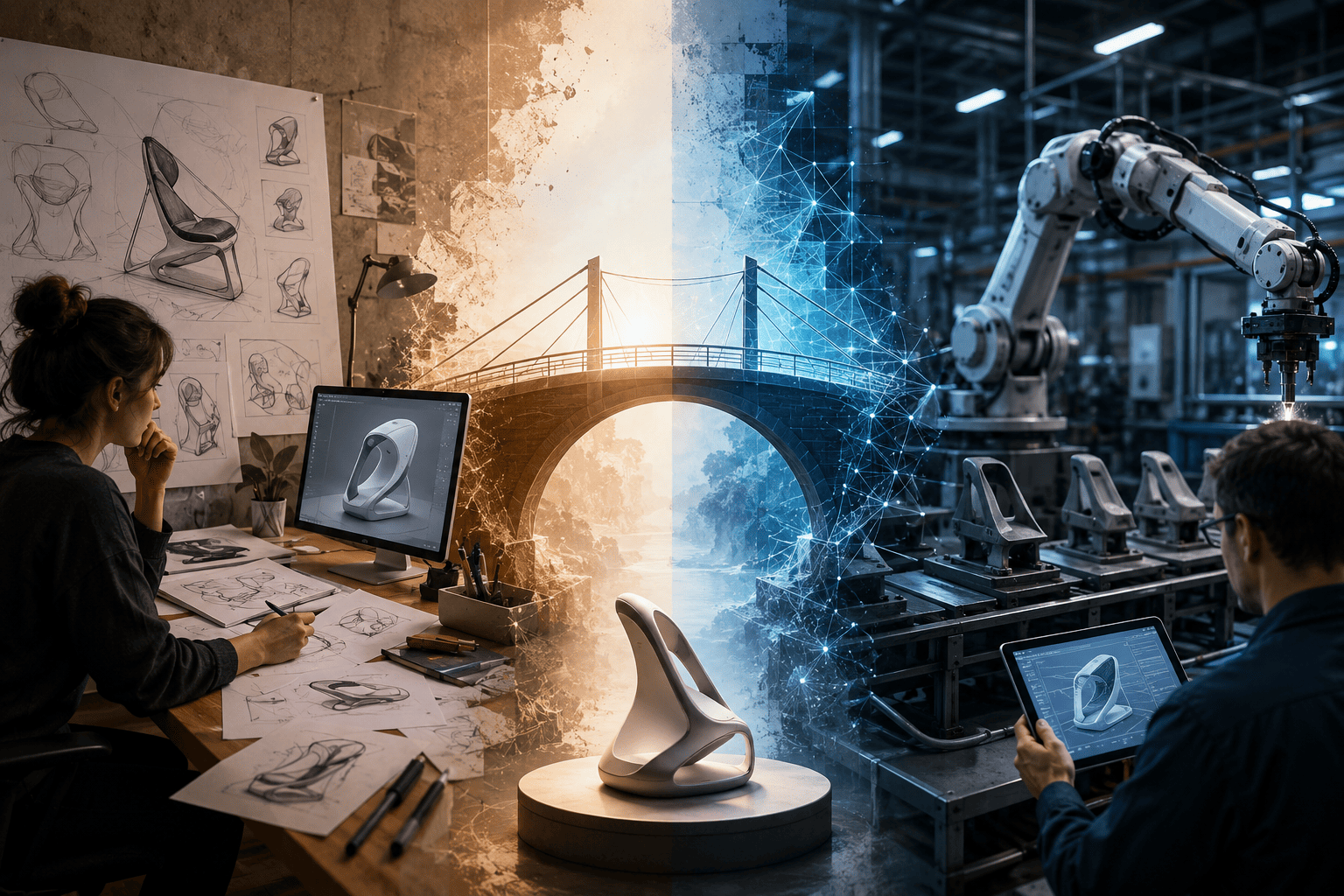
Bridging the Gap Between Creative Design and Industrial Manufacturing
Unlocking Innovation: The Synergy of Design and Production 🚀
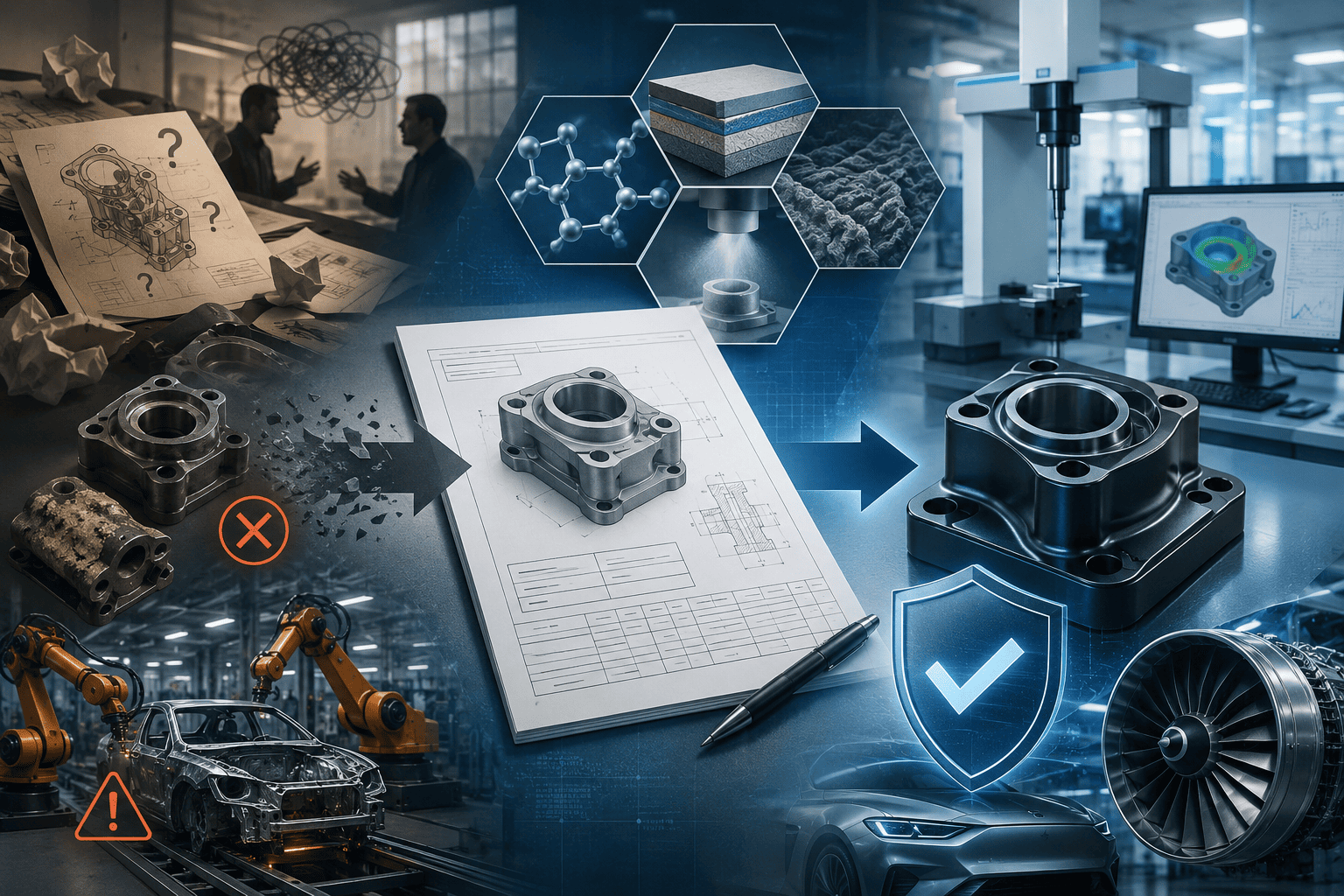
The journey from a nascent idea to a tangible product has historically been fraught with disconnects. Designers, driven by aesthetics and user experience, often conceive groundbreaking concepts that push boundaries. However, the realities of industrial manufacturing – material constraints, production costs, and scalability – frequently force compromises, diluting the original creative vision. This inherent tension has long been a critical challenge for industries striving for both innovation and efficiency.
Early approaches to product development often involved a linear, hand-off process. Design teams would finalize their blueprints, which were then passed to engineers and manufacturers. This sequential method frequently led to late-stage revisions, increased costs, and extended time-to-market. The lack of early collaboration meant that manufacturing feasibility was an afterthought, rather than an integral part of the creative process, creating significant friction between departments.
Research into this divide has highlighted the profound impact of communication breakdowns and differing priorities. Studies show that when design and manufacturing operate in silos, the result is often suboptimal products that either fail to meet user expectations or are prohibitively expensive to produce. Understanding these historical challenges is crucial for developing strategies that truly bridge the gap, fostering a more integrated and harmonious product lifecycle.
Key Observations from Research 💡
- Early integration of manufacturing considerations into the design phase significantly reduces redesign cycles and production costs. This proactive approach ensures designs are inherently manufacturable from the outset.
- Effective communication platforms and shared data environments are paramount for designers and engineers to collaborate fluidly, translating creative intent into viable production plans without friction.
- A culture that values cross-functional understanding and mutual respect between creative and technical teams consistently yields more innovative and market-ready products with greater efficiency.
Analyzing the Design-Manufacturing Nexus 🤔
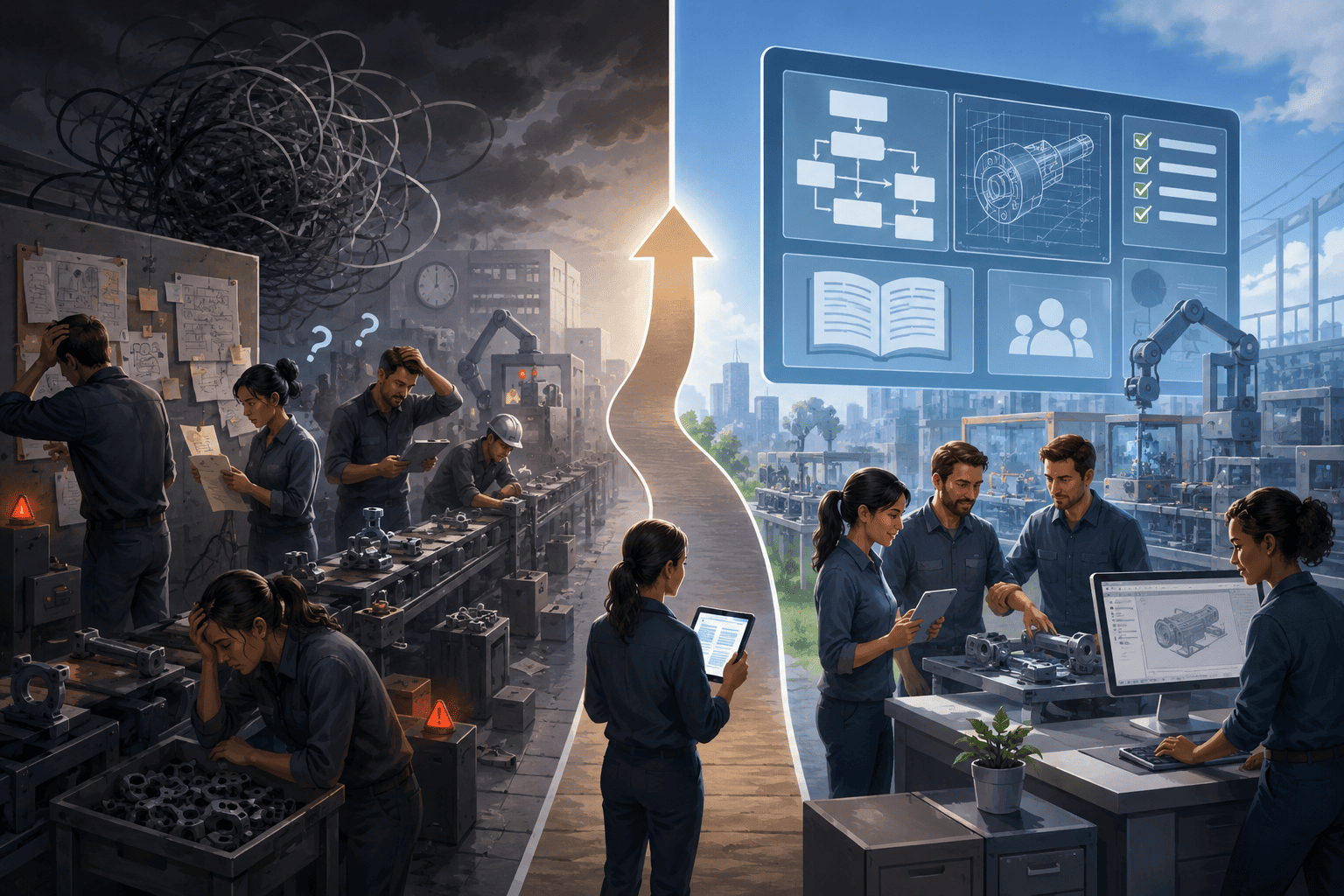
The observation that early integration is key underscores a fundamental shift from sequential to parallel product development. Instead of manufacturing being a final hurdle, it becomes a guiding principle from the outset. This means designers are equipped with real-time feedback on material availability, tooling costs, and assembly complexities, allowing them to iterate designs that are both aesthetically pleasing and economically viable.
This collaborative paradigm challenges traditional departmental boundaries. It necessitates a shared language and common goals, moving beyond the "us vs. them" mentality that often plagues design and production teams. Companies like FormReady Notes are exploring innovative platforms that facilitate this dialogue, ensuring that every stakeholder's perspective is considered throughout the design journey.
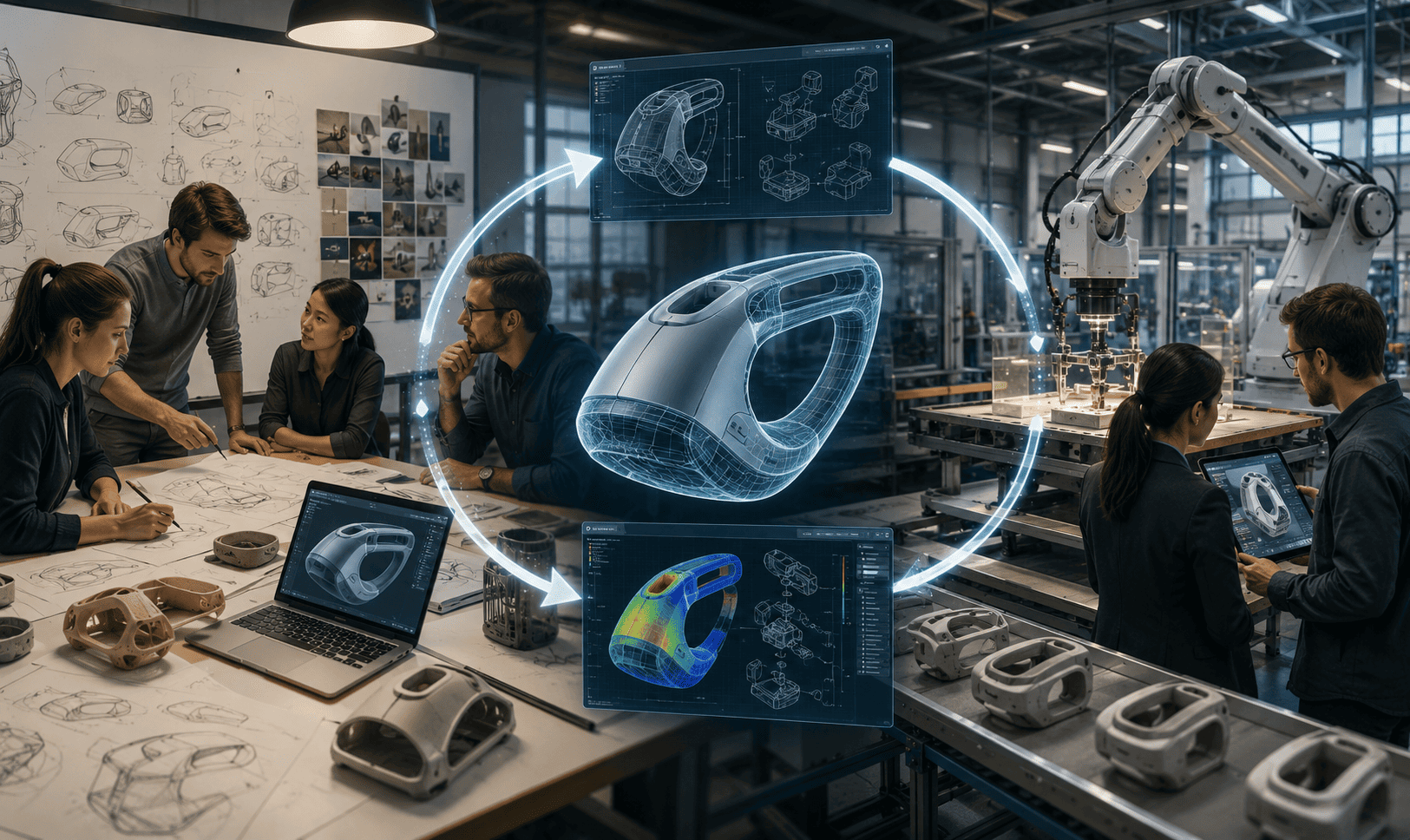
However, implementing such integration isn't without its challenges. It requires significant investment in training, new software tools, and a willingness to redefine roles. Designers may feel their creative freedom is constrained, while engineers might perceive early involvement as an added burden. Overcoming these human elements is often more complex than solving purely technical issues.
The literature also highlights the emergence of "design for manufacturing and assembly" (DFMA) principles as a critical framework. DFMA encourages simplification, standardization, and modularity, which inherently streamline production processes. When designers internalize these principles, they don't just create beautiful objects; they craft products that are inherently efficient to produce.
Furthermore, the rise of advanced manufacturing technologies, such as additive manufacturing (3D printing) and sophisticated robotics, is blurring the lines even further. These technologies offer unprecedented design freedom, allowing for complex geometries and customized products that were previously impossible or prohibitively expensive. This evolution demands even closer synergy between design and production.
Ultimately, the goal is not to subjugate design to manufacturing, or vice versa, but to foster a symbiotic relationship where each discipline informs and enriches the other. The solutions developed by FormReady Notes aim to empower both designers and manufacturers, leading to groundbreaking innovation, rapid market response, and sustainable production practices.
Actionable Outcomes and Applications 🎯
- Implement cross-functional workshops and shared digital environments to foster continuous dialogue between design and manufacturing teams from project inception, significantly reducing late-stage rework.
- Integrate Design for Manufacturing and Assembly (DFMA) principles into design education and standard operating procedures to ensure manufacturability is a core design criterion for all new projects.
- Invest in advanced simulation and rapid prototyping tools that allow designers to test manufacturing feasibility early in the process, accelerating iteration cycles and substantially reducing physical prototyping costs.